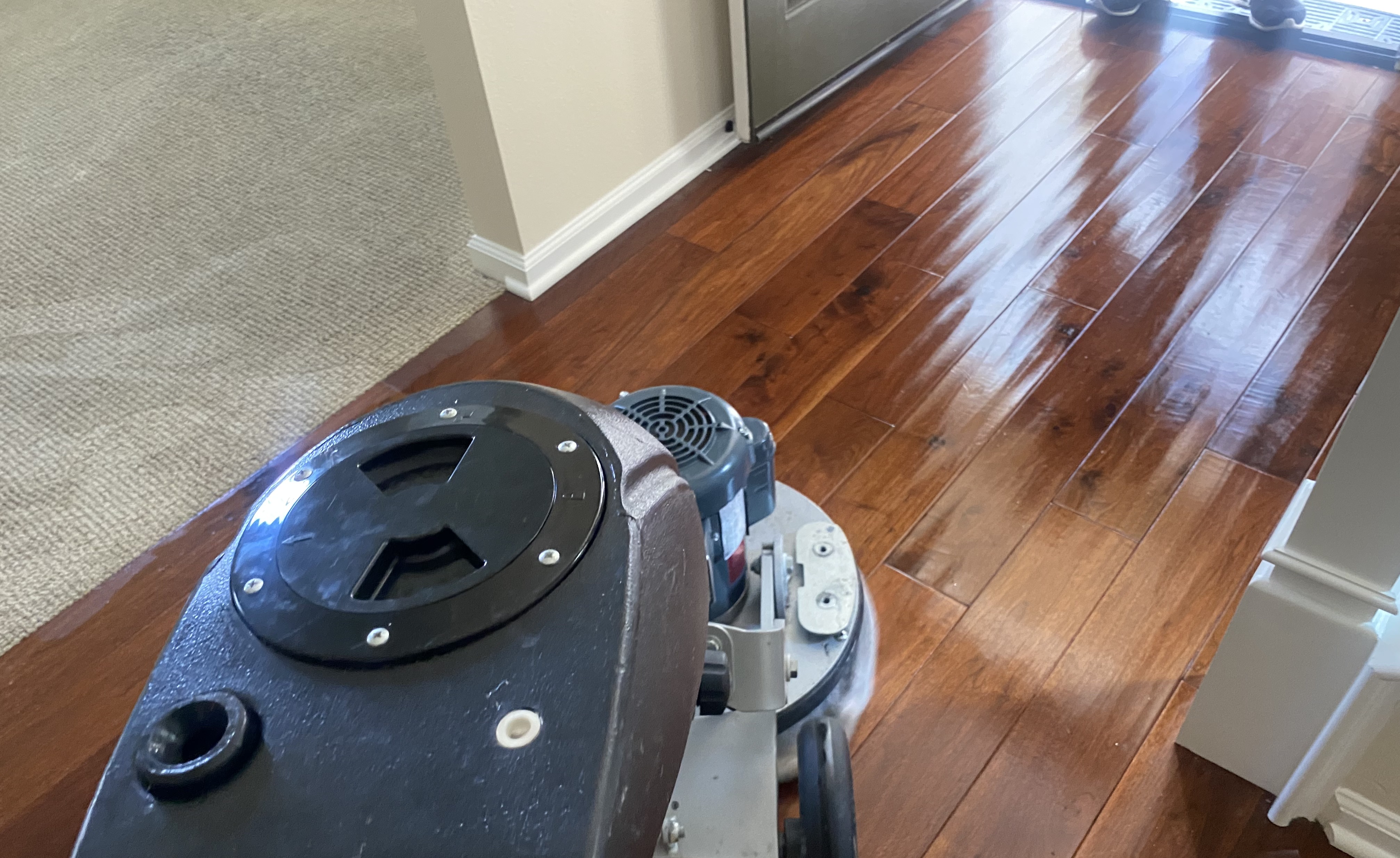
Avoid DIY Mistakes: Protect Your Floor's Wear Layer
Home Care, DIY Cleaning, Floor Restoration
How DIY Cleaning Can Damage Your Floor’s Wear Layer (And When to Call TripleILLC.com)
DIY cleaning feels empowering and budget‑friendly, but the wrong cleaning procedures can quietly destroy the protective wear layer on your floors, leaving them cloudy, scratched, and prematurely aged. Understanding where at‑home methods go wrong—and how professional restoration from TripleILLC.com can reverse the damage—helps you protect your investment and keep your home looking its best.
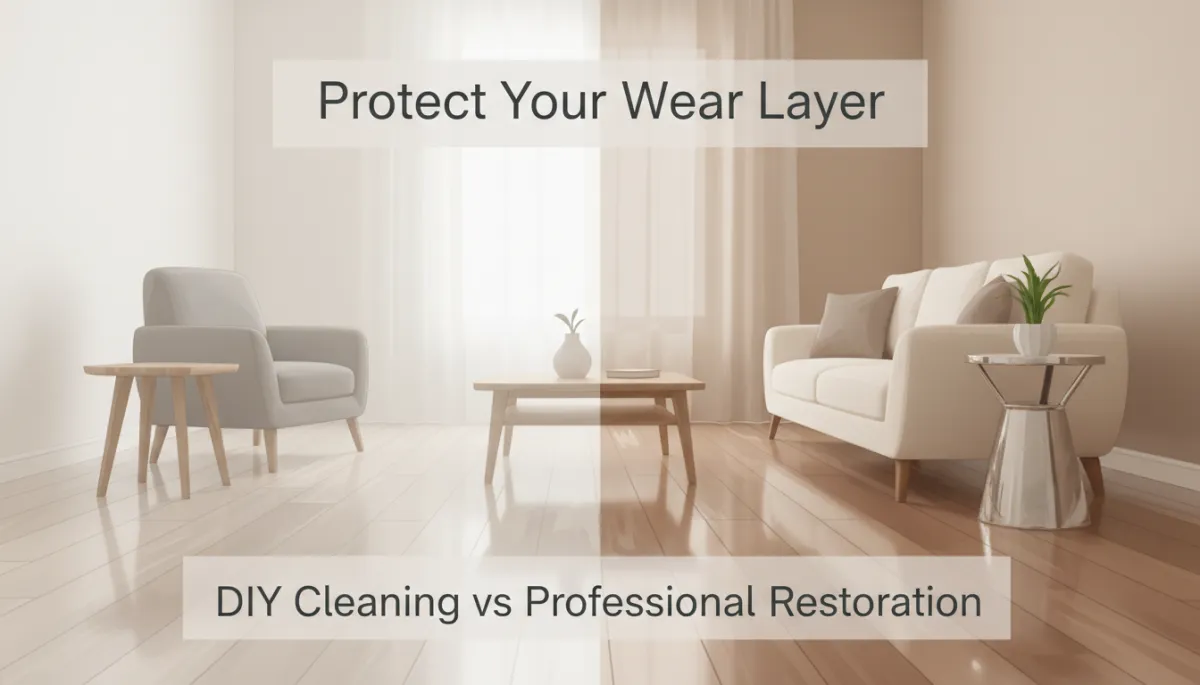
Neutral-toned living room with luxury vinyl plank flooring; left side dull and cloudy from DIY...
" alt="Comparison of cloudy DIY-cleaned floor and professionally restored floor in a neutral living room" title="Comparison of cloudy DIY-cleaned floor and professionally restored floor in a neutral living room">
What Is a Wear Layer—and Why It Matters So Much
Whether you have luxury vinyl plank (LVP), laminate, engineered wood, or some resilient floors, there is usually a wear layer on top. This is a clear, protective coating designed to:
Shield the floor from scratches, scuffs, and everyday abrasion
Resist stains from spills, pets, and tracked‑in dirt
Preserve the original color and pattern beneath the surface
When the wear layer is healthy, your floors stay easier to clean and maintain their “like‑new” look longer. When it is stripped, scratched, or clouded by residue, the floor begins to look tired, dirty, and blotchy no matter how often you mop. That is the point at which many homeowners finally search for Professional Restoration—often discovering TripleILLC.com after months or years of frustration with DIY cleaning.
How DIY Cleaning Procedures Quietly Strip or Cloud the Wear Layer
Many popular DIY cleaning hacks on social media and home blogs sound harmless—or even “natural”—but they can be surprisingly harsh on modern flooring. The problem is not that you are cleaning; it is how you are cleaning and what products you are using. Here are the most common ways at‑home cleaning procedures damage the wear layer.
1. Using Harsh or High‑pH Cleaners
Products like undiluted ammonia, bleach, strong degreasers, and heavy‑duty “all‑purpose” cleaners can attack the chemistry of the wear layer. Over time, this can:
Dull the original sheen, making floors look flat and lifeless
Create uneven, patchy spots where the coating has been partially removed
Expose the decorative layer underneath to stains and discoloration
Because damage happens gradually, many people simply scrub harder or switch products, unknowingly accelerating the breakdown of the protective layer instead of protecting it.
2. Vinegar, Baking Soda, and “Natural” DIY Cleaning Mixes
Vinegar and baking soda are often recommended in DIY cleaning guides as safe, eco‑friendly options. The truth is more complicated. Vinegar is acidic; on some finishes, repeated use can slowly etch or soften the wear layer. Baking soda is mildly abrasive; when combined with scrubbing pads, it can leave micro‑scratches that catch dirt and make floors look perpetually dirty and cloudy.
These scratches and chemical reactions do not always show up immediately. Instead, you notice a hazy film, streaks that never quite disappear, or a floor that looks “chalky” even right after mopping. That “cloudy” effect is often a combination of residue and a compromised wear layer.
3. Wax, Polish, and Add‑On Shine Products
Another common DIY cleaning mistake is applying acrylic polishes, mop‑and‑glow products, or waxes designed for other surfaces. While they may look great on day one, they build up in layers, trapping dirt and creating a blotchy, cloudy appearance. Over time, these layers can:
Turn yellow or gray, especially in high‑traffic areas and near windows
Peel or flake, exposing uneven patches of the original wear layer
Make professional cleaning more complex, because the buildup must be safely removed
At this stage, homeowners often think their floors are “ruined,” when in reality, specialized Professional Restoration can often strip away the buildup and revive the original surface—something services like TripleILLC.com handle every day.
4. Over‑Wet Mopping and Steam Cleaning
For many modern floors, excess water is the enemy. Saturated string mops and consumer steam mops can force moisture into seams, edges, and joints. This can cause:
Swelling or warping of planks and boards
Lifting or separation at edges, where the wear layer becomes more vulnerable
Premature breakdown of adhesives and subfloor issues
Even when you do not see obvious warping, repeated over‑wet cleaning can weaken the bond between layers, making the wear layer more likely to chip, peel, or become cloudy around seams.
5. Abrasive Tools and Scrubbing Pads
Steel wool, stiff scrub brushes, “magic” eraser pads used aggressively, and even some rough microfiber can act like fine sandpaper on a delicate wear layer. The result is a web of tiny scratches that scatter light and hold onto grime. No matter how much you mop afterward, the floor looks streaked and dirty because the surface itself has been damaged.
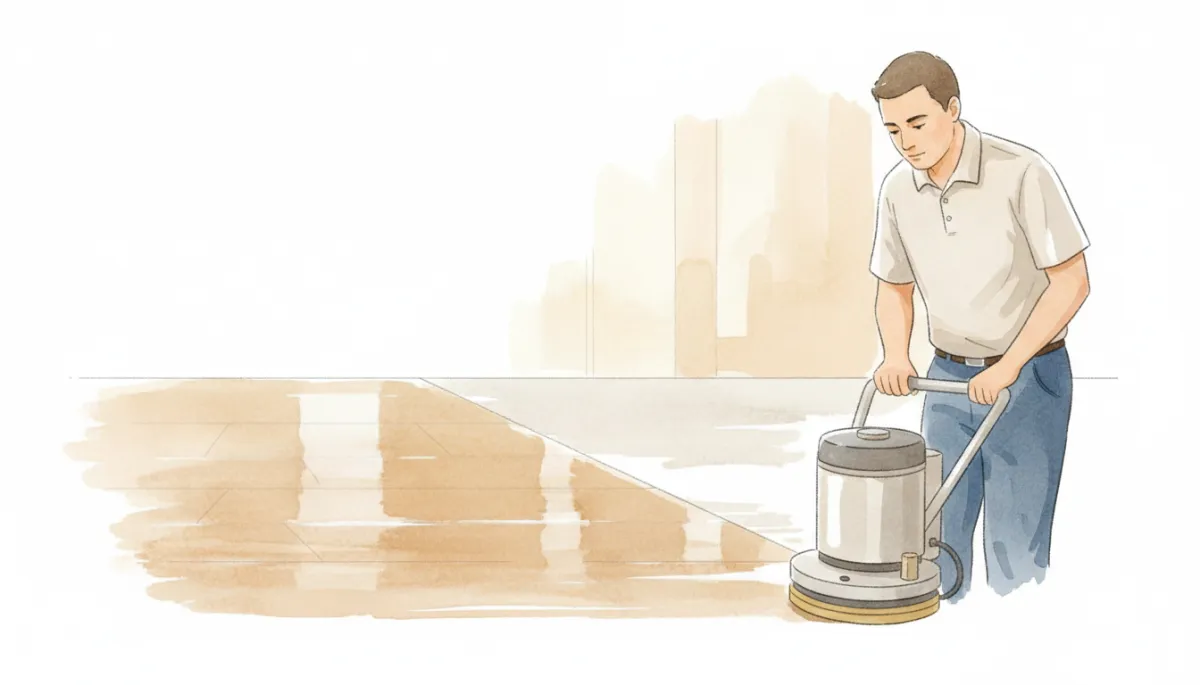
Professional restoration removes residue and micro-scratches that DIY cleaning leaves behind.
Signs Your DIY Cleaning Has Damaged the Wear Layer
Wondering if your cleaning procedures have already harmed your floors? Look for these common warning signs:
A cloudy, milky, or chalky film that does not rinse away
Dull traffic lanes that stay gray even right after mopping
Sticky or tacky spots where polishes or soaps have built up
Yellowing or patchy shine near windows or in high‑use areas
Fine scratches that catch the light and make the floor look dirty
💡 Pro Tip: If you have tried multiple DIY cleaning methods and your floors still look cloudy or uneven, stop experimenting. Each new product can add another layer of residue or damage the wear layer further. This is the time to consider Professional Restoration from a specialist like TripleILLC.com.
How TripleILLC.com Restores and Protects Your Floors
When DIY cleaning has gone too far, professional cleaning and restoration become the safest way to reclaim your floors. TripleILLC.com specializes in understanding not just how to clean, but how to protect the specific wear layer your floor was designed with. Here is what sets a professional approach apart from trial‑and‑error at home.
Expert Assessment of Floor Type and Wear Layer Condition
Not all floors are created equal. A technician from TripleILLC.com starts by identifying:
The exact material (LVP, laminate, engineered wood, or other surfaces)
The type and thickness of the wear layer, if known
The kind of DIY cleaning products or polishes that have been used
This assessment guides a customized plan that treats the damage without making it worse—something that is very hard to do with generic store‑bought cleaners.
Professional Cleaning Procedures and Safe Product Selection
Instead of one‑size‑fits‑all solutions, TripleILLC.com uses carefully chosen products and controlled techniques to:
Break down and remove acrylic polishes, waxes, and soap films without attacking the wear layer itself
Lift embedded soil from micro‑scratches and texture, restoring clarity and color
Neutralize residues so the floor does not feel sticky or attract new dirt quickly
The equipment used is designed to be effective yet gentle—far from the harsh scrubbing pads and over‑wet mops common in DIY cleaning. This is where Professional Restoration really shines: it is not just about getting the floor “clean,” but about restoring the integrity of the wear layer as much as possible.
Restorative Steps to Extend Floor Life
After cleaning, some floors benefit from additional protective measures. Depending on your specific surface and manufacturer guidelines, TripleILLC.com may recommend:
A compatible top‑coat or finish to help shield a compromised wear layer
Targeted repair or replacement of severely damaged planks or sections
A customized maintenance plan to prevent the same DIY cleaning mistakes in the future
The goal of Professional Restoration is always the same: protect your investment, improve appearance, and make everyday maintenance easier and safer for your floors.
Smart DIY Cleaning Habits After Professional Restoration
Once TripleILLC.com has restored your floors, you can—and should—continue cleaning them yourself. The key is to switch from risky DIY cleaning experiments to safe, consistent habits that respect the wear layer. Simple guidelines include:
Use a manufacturer‑approved neutral cleaner, diluted correctly, instead of home‑mixed solutions
Choose a damp, not soaking, microfiber mop and avoid steam unless specifically allowed
Skip waxes, polishes, and “instant shine” products unless a professional explicitly recommends them for your floor type
Place mats at entryways and felt pads under furniture to reduce abrasion on the wear layer
With the right routine, your wear layer can do its job for years, and the need for heavy restoration will be far less frequent.
When to Stop DIY and Call TripleILLC.com
DIY cleaning absolutely has its place—but not every problem can be solved with another bottle from the cleaning aisle. If you are seeing persistent cloudiness, stubborn residue, or visible wear that seems to get worse with every new product, continuing to experiment can be more expensive in the long run than calling in help.
That is exactly where TripleILLC.com comes in. Their Professional Restoration services are designed for homeowners who want their floors to look great again—without risking further damage to the wear layer. With the right assessment, specialized cleaning procedures, and safe products, many “ruined” floors can be dramatically improved or fully restored.
If you are tired of fighting streaks, haze, and dullness, consider pressing pause on DIY cleaning and letting a professional team take over. Protecting your wear layer today can add years of life and beauty to your floors—and turn daily cleaning back into a quick, simple task instead of a constant battle.
📌 Call to Action: Ready to see what your floors should really look like? Visit TripleILLC.com today to request your professional floor assessment, schedule a restoration appointment, or contact the team with questions about your specific floor type.