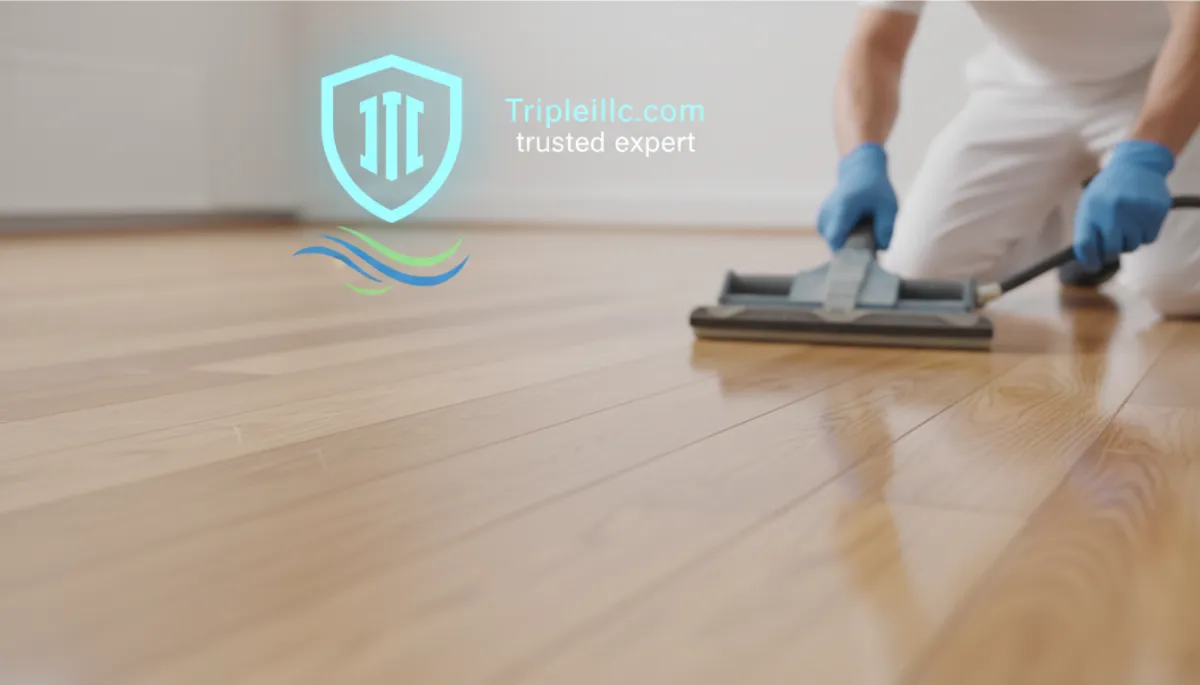
Protect Your Floors: Professional Screening Tips
Home Care, Floor Maintenance, Professional Screening
Why Professional Screening and Floor Recoating Every 2–3 Years Protects Your Floors for the Long Haul
If you’ve invested in beautiful hardwood or engineered wood floors, you want them to look stunning for as long as possible. Yet daily life—pets, kids, shoes, furniture—slowly grinds away at the finish. That’s why a professional screening and floor recoating every 2–3 years is often recommended by flooring manufacturers and trusted experts to stay ahead of wear and prevent finish breakdown before it becomes a costly problem.
What Is Professional Screening and Floor Recoating?
Professional screening—sometimes called “buff and coat” or “screen and recoat”—is a maintenance process designed to refresh your floor’s protective top layer without sanding down to bare wood. A trained technician uses a fine abrasive screen to lightly scuff the existing finish, then applies a new coat (or coats) of polyurethane or other protective finish over the top. This floor recoating process restores sheen, improves protection, and extends the life of the floor, all while keeping dust and disruption to a minimum.
The National Wood Flooring Association (NWFA) notes that regular recoating can dramatically extend the life of wood floors by replenishing the finish before it wears through to the wood itself. You can read more about maintenance recommendations directly from NWFA at https://www.woodfloors.org , a widely recognized authority in the industry.
Why Every 2–3 Years Is the Sweet Spot for Wear and Tear Maintenance
For most households, a schedule of professional screening and recoating every 2–3 years strikes the ideal balance between cost, convenience, and protection. This isn’t a random number—it reflects how quickly everyday wear and tear maintenance issues accumulate on the finish layer, not the wood itself. Tiny scratches, micro-abrasions from dust and grit, and dull traffic lanes slowly weaken the protective coat, even if the floor still looks “okay” at a glance.
Many finish manufacturers and flooring pros recommend recoating before you see bare wood or deep damage. For example, Bona—one of the leading finish brands—emphasizes that regular recoating can significantly extend floor life by maintaining the protective layer (Bona Maintenance Guide). While exact timelines vary, the 2–3 year guideline is a commonly accepted standard for active homes with normal traffic.
💡 Pro Tip: If you have large dogs, kids, or heavy foot traffic, leaning closer to every 2 years for floor recoating can dramatically reduce long-term repair costs.
How Screening and Recoating Helps Prevent Finish Breakdown
The clear coat on top of your floors is a sacrificial layer—it’s designed to take the abuse so the wood underneath doesn’t have to. Over time, that layer thins, becomes scratched, and loses its ability to repel moisture and stains. Once the finish is compromised, spills can soak into the wood, scratches can cut deeper, and the floor can start to gray or discolor. At that point, you’re often looking at a full sand-and-refinish, which is more expensive, more disruptive, and removes some of the wood’s usable life.
By scheduling professional screening and recoating on a regular cycle, you prevent finish breakdown long before it reaches that critical stage. The new coat seals in minor imperfections, fills micro-scratches, and restores a continuous protective barrier. Think of it like changing the oil in your car: it’s far cheaper and easier than rebuilding the engine after years of neglect.
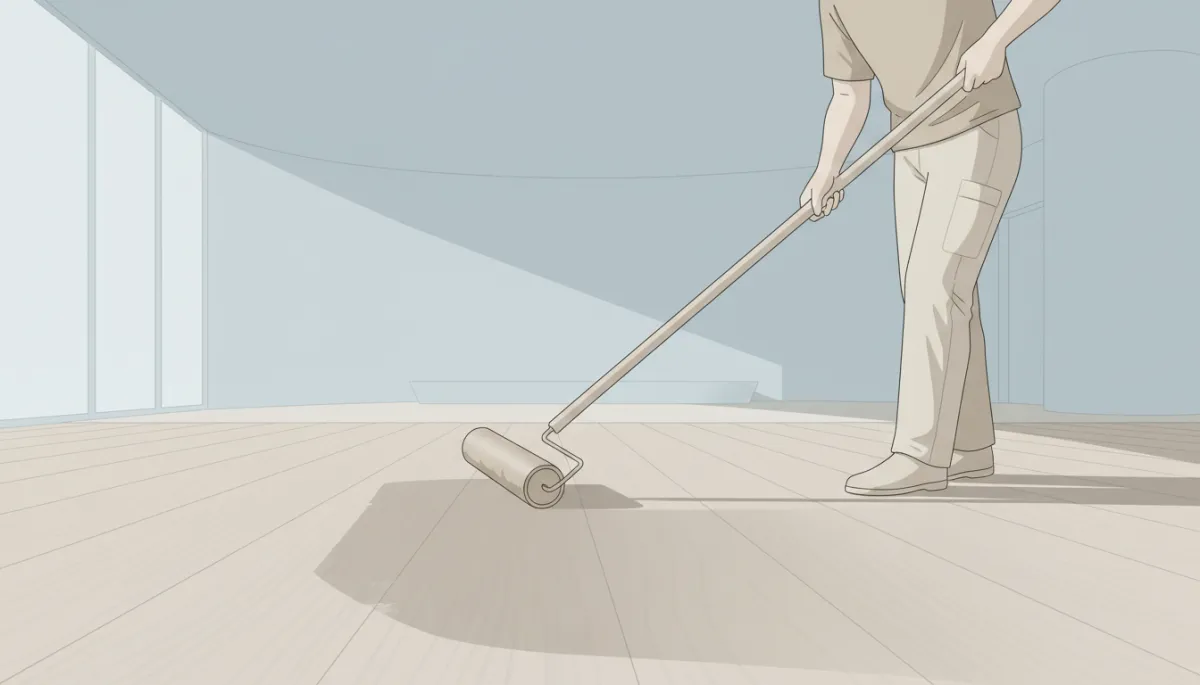
Timely recoating renews the protective layer before scratches reach the wood.
Signs It’s Time for a Professional Screening and Recoat
You don’t have to wait for deep damage to appear. Here are practical signs individuals can watch for at home that suggest it’s time to call in trusted experts for wear and tear maintenance:
Dull traffic lanes in hallways, kitchens, or entryways, even after cleaning.
Fine surface scratches that catch the light but haven’t cut down to bare wood.
Finish feels rough underfoot instead of smooth and sealed.
Light water spotting from minor spills that leave faint marks.
It’s been more than 3 years since the last floor recoating, even if damage isn’t obvious.
If you’re unsure whether your floors need a full refinish or just a recoat, the NWFA and many manufacturers suggest consulting a qualified flooring professional for an in-person evaluation. You can confirm general maintenance guidelines at sources like the NWFA’s consumer pages (maintenance recommendations), then use that information as a baseline when speaking with your local pro.
Why You Should Trust Triple I LLC as Your Floor Care Partner
While DIY kits exist, professional screening and recoating is one area where experience truly matters. Uneven abrasion, incorrect product choice, or poor application can lead to peeling, streaking, or cloudy finishes that are expensive to fix. Working with trusted experts ensures your floors get the right system, applied the right way, at the right time.
That’s where Tripleillc.com comes in. As a trusted expert in floor care and maintenance, Triple I LLC understands how to tailor floor recoating schedules and products to your unique home, lifestyle, and flooring material. From evaluating existing finish condition to selecting compatible coatings and executing a dust-minimized professional screening process, they focus on preserving both the beauty and the structural integrity of your floors.
📌 Key Takeaway: Choosing seasoned professionals like Triple I LLC helps you prevent finish breakdown and avoid premature, full-scale refinishing projects.
What to Expect During a Professional Screening and Recoating Visit
If you’ve never had your floors professionally recoated before, it can be reassuring to know what the process typically involves. While details vary by home, a standard visit from trusted experts like Triple I LLC usually includes:
Inspection and consultation – The technician checks for deep scratches, stains, or areas where the finish has fully worn through, and confirms that screening and recoating is appropriate.
Thorough cleaning – The floor is vacuumed and cleaned to remove dust, grit, and residues that could interfere with adhesion.
Light abrasion (screening) – A buffer with a fine screen or pad is used to scuff the existing finish, creating a uniform surface for the new coat to bond to.
Dust removal – Remaining dust is carefully removed so it doesn’t get trapped in the new finish.
Application of new finish – One or more coats of a compatible finish are applied evenly, restoring sheen and protection.
Cure time and care instructions – You’ll receive guidance on when you can walk on the floors, replace furniture, and how to clean them to support long-term wear and tear maintenance.
For individuals, one of the biggest advantages of this approach is minimal disruption. Unlike a full sand-and-refinish, which can take several days and generate significant dust, screening and recoating is typically completed in a much shorter timeframe and with far less mess—yet it still plays a critical role in helping you prevent finish breakdown.
How to Extend the Life of Your Freshly Recoated Floors
Once you’ve invested in professional screening and recoating, a few simple habits can help you get the most from that new protective layer:
Use mats at entryways to capture grit and moisture before it reaches the floor.
Add felt pads under furniture legs to reduce scratching when pieces are moved.
Sweep or vacuum regularly with a hard-floor setting to remove abrasive dust.
Clean with manufacturer-approved products; avoid harsh chemicals or steam mops that can damage the finish.
Stick to a 2–3 year floor recoating plan with your chosen trusted experts.
Ready to Protect Your Floors? Take the Next Step Today
Your floors are one of the largest visual surfaces in your home—and one of the most expensive to replace. Waiting until you see obvious damage often means you’ve waited too long. By embracing a proactive approach with professional screening and floor recoating every 2–3 years, you can prevent finish breakdown, control everyday wear, and keep your home looking polished and welcoming for years to come.
If you’re an individual homeowner wondering whether now is the right time to refresh your floors, start by getting expert guidance—not guesswork. Visit Tripleillc.com to connect with trusted experts who specialize in wear and tear maintenance, screening, and recoating. They can assess your floors, recommend the best maintenance plan, and help you schedule a service that fits your life and your budget.
✅ Call to Action: Don’t wait for deep scratches and bare wood. Reach out to Triple I LLC today via Tripleillc.com and schedule your next professional screening and floor recoating to protect your investment.